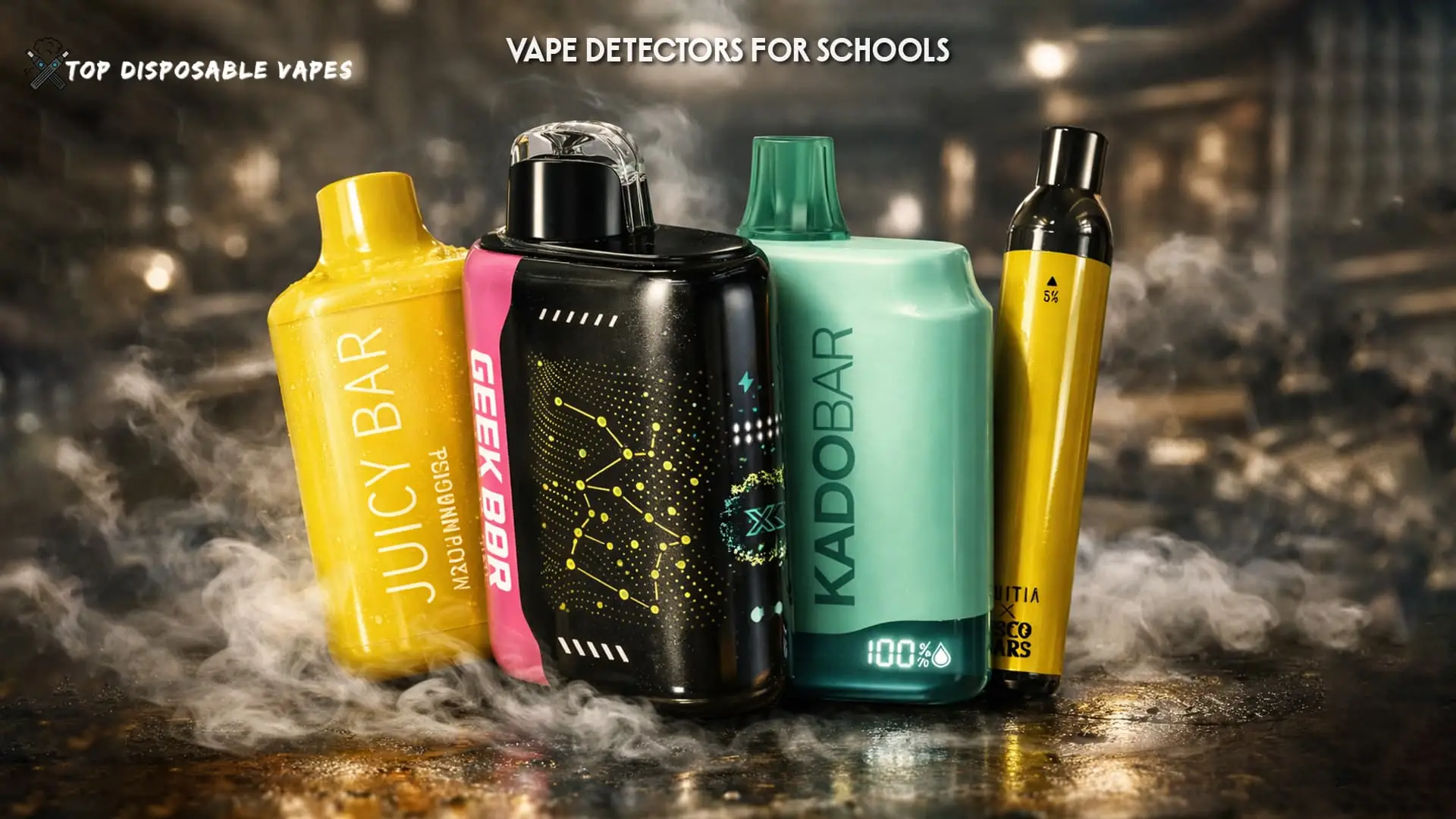
The popularity of vaping has increased significantly over the last decade, particularly among teenagers and young adults. With the growing use of disposable vapes and products such as Geek Bar, educational institutions have become increasingly concerned about vaping on school premises. While many students are attracted to products because of their convenience and the wide variety of Geek Bar vape flavors, schools are facing challenges in maintaining a vape-free environment.
To address this issue, many schools and colleges have started installing vape detectors. These advanced devices help school administrations identify vaping incidents in real time and discourage students from using vape products in restricted areas.
What Is a Vape Detector?
A vape detector is an electronic sensing device designed to detect vapor particles released by vapes and e-cigarettes. Although vape detectors may resemble traditional smoke detectors in appearance, their technology and purpose are different.
Unlike smoke alarms that detect smoke from fire or combustion, vape detectors are specifically engineered to identify aerosol particles and chemicals commonly found in vape emissions.
Why Schools Are Installing Vape Detectors
The increasing use of vaping products among students has created concerns regarding health, discipline, and campus safety. Many schools previously relied on physical inspections and staff monitoring to identify vaping activities. However, these methods were often time-consuming and ineffective.
Modern vape detectors provide schools with a more efficient solution by offering:
- Real-time vaping alerts
- Continuous air quality monitoring
- Reduced dependence on manual inspections
- Better enforcement of school policies
As vaping products, including Geek Bar devices, become more accessible, schools are adopting advanced detection systems to discourage unauthorized vaping on campus.
How Vape Detectors Work
Most vape detectors do not directly detect nicotine. Instead, they identify aerosol particles and chemical compounds present in vape emissions.
Advanced vape detectors can monitor:
- Changes in air quality
- Aerosol particles from vape devices
- Volatile Organic Compounds (VOCs)
- Temperature and humidity variations
- THC vape emissions
- Tampering attempts
- Loud noises, shouting, or gunshots (in some advanced models)
When these particles or environmental changes are detected, the system immediately sends alerts to designated school personnel.
Internal Components of a Vape Detector
1. Air Sampling System
Vape detectors contain air intake and ventilation openings that continuously draw surrounding air into the device for analysis.
2. Particle Sensors
Most modern detectors use optical sensors that emit light beams. When aerosol particles pass through the light, they scatter the beam, allowing the detector to identify the presence of vapor.
3. Chemical Sensors
Chemical sensors such as Metal-Oxide Semiconductor (MOS) sensors and VOC sensors detect compounds commonly found in vape aerosol.
4. Environmental Sensors
These sensors monitor:
- Temperature
- Humidity
- Air pressure
- Carbon dioxide levels
The collected data helps distinguish vaping activity from normal environmental changes.
5. Processing Unit
The processing unit analyzes information received from multiple sensors. Advanced algorithms help reduce false alarms and improve detection accuracy.
6. Communication Module
Most vape detectors are equipped with:
- Wi-Fi connectivity
- Ethernet integration
- Cellular communication
- Cloud-based monitoring systems
These features allow schools to receive instant notifications whenever vaping activity is detected.
Factors Affecting Vape Detector Performance
The effectiveness of vape detectors depends on several factors:
Room Size
Larger spaces may require additional detectors to ensure complete coverage.
Ventilation
Strong airflow and ventilation systems can disperse vapor quickly, affecting detection sensitivity.
Installation Location
Proper placement is critical for accurate detection and minimizing false alarms.
Environmental Conditions
Most commercial vape detectors operate effectively within:
- Humidity range: 20%–85%
- Temperature range: 0°C–50°C
Excessive humidity or poor placement can lead to inaccurate readings.
Recommended Locations for Vape Detectors in Schools
To maximize effectiveness, vape detectors should be installed in areas where vaping incidents are most likely to occur.
Common Installation Areas
- Student restrooms and bathrooms
- Locker rooms and changing areas
- Stairwells and isolated corridors
- Dormitories and boarding school lounges
- Underutilized gathering spaces
Areas to Avoid
To protect privacy and maintain a comfortable learning environment, schools should generally avoid installing vape detectors in:
- Classrooms
- Administrative offices
- Meeting rooms
- Parent waiting areas
Advantages of Vape Detectors in Schools
Vape detectors offer several benefits:
- Discourage student vaping
- Improve school discipline
- Provide instant alerts to administrators
- Reduce the burden of manual monitoring
- Support healthier school environments
- Help enforce anti-vaping policies
Disadvantages of Vape Detectors
Despite their benefits, vape detectors have some limitations.
Installation Costs
Large campuses may require multiple devices, increasing overall expenses.
Maintenance Requirements
Regular cleaning, testing, and calibration are necessary to maintain accuracy.
False Alarms
Air fresheners, perfumes, cleaning chemicals, and environmental factors can sometimes trigger alerts.
Privacy Concerns
Advanced sound-detection features may raise concerns regarding student and staff privacy.
Limited Detection Capabilities
Vape detectors cannot:
- Identify specific individuals who are vaping
- Detect vape devices before use
- Measure exact nicotine concentrations
Therefore, human supervision remains an important part of school safety programs.
Best Practices for Schools Using Vape Detectors
Schools can improve detector performance by following these guidelines:
- Conduct strategic placement planning
- Understand common student vaping locations
- Maintain devices regularly
- Educate students and parents about school vaping policies
- Develop procedures for responding to alerts
- Review detector performance periodically
Conclusion
Vape detectors have become an effective tool for schools seeking to reduce vaping incidents and maintain a safe educational environment. By detecting aerosol particles and harmful compounds in vape emissions, these systems provide real-time alerts and support school administrators in enforcing campus policies.
Although products such as Geek Bar and the growing popularity of Geek Bar vape flavors continue to attract young users, vape detectors help schools discourage vaping and promote healthier habits among students. While these devices cannot completely replace physical supervision, they serve as a valuable component of a comprehensive school safety strategy.